Why Energy Efficiency Matters
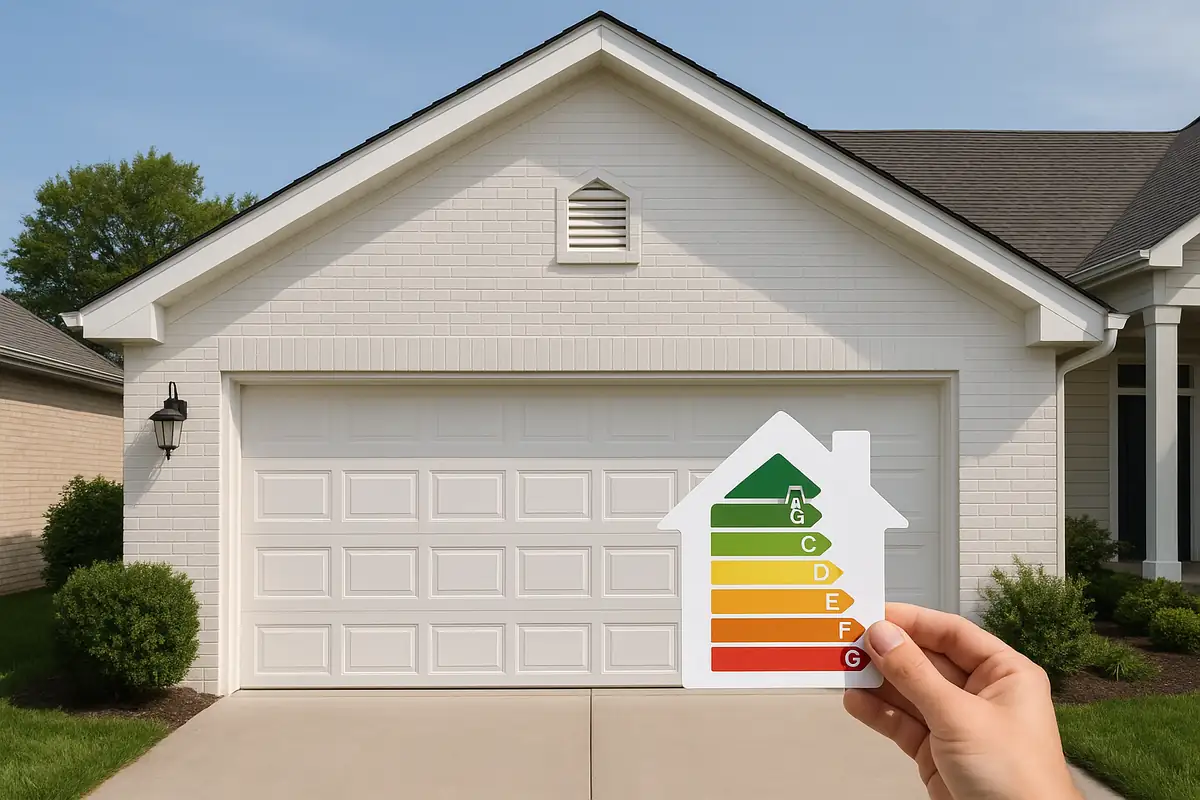
In today’s economy, energy efficiency is not just an option; it’s a necessity. Many homeowners in Greenwich, CT, are looking for ways to reduce their energy consumption and lower utility bills. One area that is often overlooked is the garage door. An inefficient garage door can be a major source of energy loss, impacting both your comfort and finances.
Understanding Garage Door Insulation
One of the key components of an energy-efficient garage door is insulation. Insulated garage doors can help maintain a stable temperature within your garage, reducing the strain on your HVAC system. Here’s what you need to know:
Types of Garage Door Insulation
- Polystyrene: Provides good thermal resistance and is often used in higher-end doors.
- Polyurethane: Offers superior insulation, making it the best choice for energy efficiency.
- Reflective Insulation: Works well in hot climates, reflecting heat away from your garage.
R-Value Explained
The R-value measures insulation effectiveness. When shopping for a garage door in Greenwich, look for doors with a high R-value:
- R-Value of 5-7: Good for temperate climates.
- R-Value of 8-12: Excellent for areas experiencing extreme temperatures.
Common Garage Door Problems Impacting Energy Efficiency
Even if your garage door is well-insulated, issues such as wear and tear can compromise its performance. Here are some common problems:
1. Damaged Weather Stripping
Old or missing weather stripping can let air escape, reducing efficiency. Regularly check and replace it as needed.
2. Misaligned Tracks
If your garage door isn’t aligned properly, it won’t seal completely, allowing drafts to enter. This issue requires professional garage door repair in Greenwich, CT.
3. Poor Seals
Check the seals around your garage door for wear. A tight seal is essential for maintaining energy efficiency.
Upgrading to Energy-Efficient Garage Doors
Considering an upgrade? Newer garage doors are designed with energy efficiency in mind. Here’s what to consider:
Smart Garage Doors
Smart technology can monitor insulation levels and alert you to issues that could impact energy efficiency.
Impact-Resistant Materials
Garage doors made from materials like fiberglass offer better insulation properties, protecting your garage from external temperature changes.
Practical Tips to Enhance Energy Efficiency
Here are some actionable tips to improve the energy efficiency of your garage door:
- Regular Maintenance: Schedule routine inspections to catch issues before they escalate.
- Seal Gaps: Use weather stripping and caulk to seal any gaps around the door.
- Insulation Kits: Consider using DIY insulation kits for added thermal protection.
- Energy Audit: Hire a professional to conduct an energy audit of your garage.
Statistics on Energy Efficiency
According to the U.S. Department of Energy:
- Garages account for 20-25% of a home's energy loss.
- Proper insulation can save homeowners up to 15% on heating and cooling costs.
Conclusion: Take Action Today
Investing in an energy-efficient garage door can significantly enhance the comfort of your home while saving you money on energy bills. If you’re experiencing any issues with your garage door, or if you’re ready to upgrade to a more efficient model, don’t hesitate to reach out for professional garage door repair in Greenwich, CT. Your home deserves the best!
Explore More Resources
Related Articles
Service Areas
We proudly serve Greenwich, Glenville, Byram, Mianus, Port Chester and more areas.
Our Services
Professional garage door repair, spring repair, opener installation and more. View all services →

Mark S.
View full profile
Smart Garage Door Features You Need to Know for Garage Door Repair in Greenwich, CT
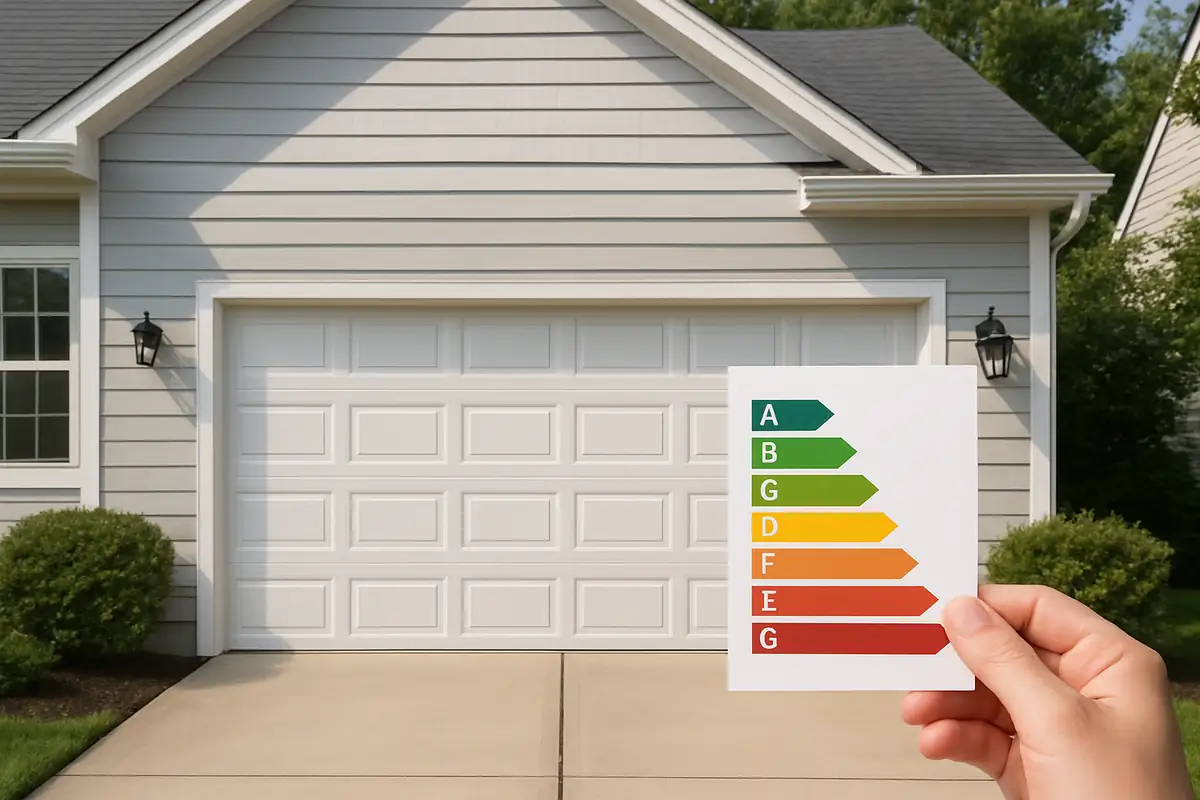
Energy Efficiency and Your Garage Door: Expert Garage Door Repair in Greenwich, CT