Why Energy Efficiency Matters for Your Garage Door
As homeowners in Greenwich, CT, we often overlook our garage doors when considering energy efficiency. However, a poorly sealed or aging garage door can lead to significant heat loss, higher energy bills, and a less comfortable home. Understanding the role of your garage door in energy consumption is crucial for both environmental and financial reasons.
Understanding Garage Door Insulation
Insulation plays a vital part in the energy efficiency of your garage door. Here’s what you need to know:
- Types of Insulation: Garage doors can be insulated with polystyrene or polyurethane, with polyurethane offering better thermal performance.
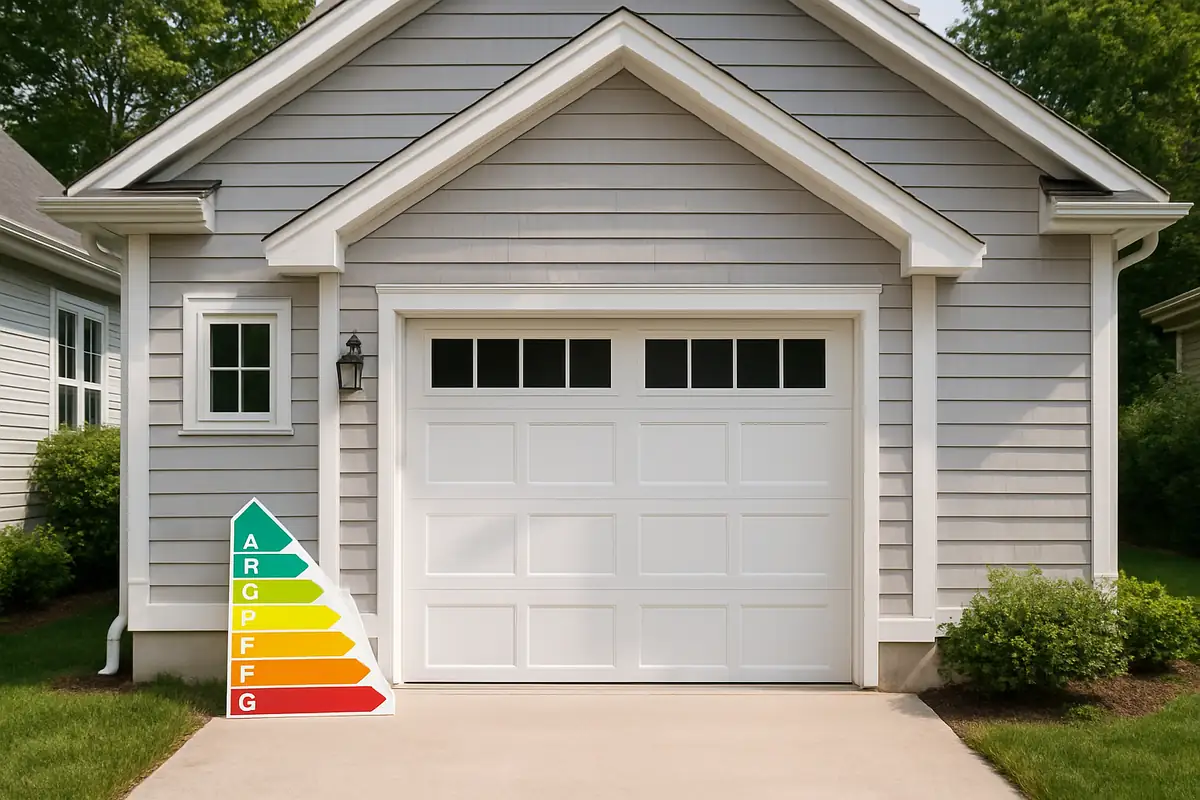
- Energy Ratings: Look for garage doors with a high R-value, which measures insulation effectiveness. The higher the value, the better the insulation.
- Proper Sealing: Ensure that your garage door seals tightly when closed to prevent drafts.
The Importance of Weatherstripping
Weatherstripping is an essential component for maintaining energy efficiency in your garage:
- It prevents air leaks that can lead to heat loss.
- Regular inspection and replacement can significantly improve energy efficiency.
Signs Your Garage Door Needs Repair
If you're unsure whether your garage door is energy efficient or needs repairs, look out for these signs:
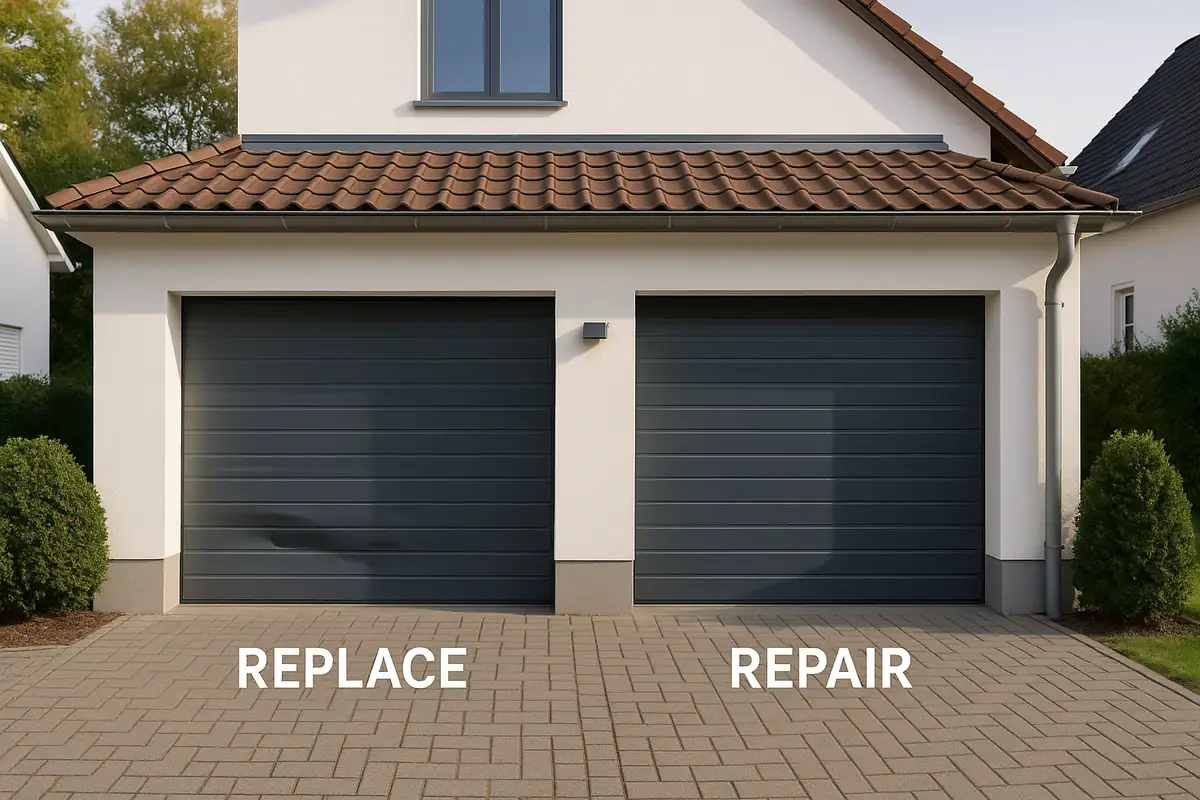
- Visible Damage: Look for cracks, warping, or dents in the door.
- Excessive Noise: Unusual sounds during operation can indicate worn parts.
- Inconsistent Temperature: A garage that feels too hot or too cold, despite your home’s thermostat, is a sign of poor insulation.
Statistics on Garage Door Energy Efficiency
Understanding the numbers can help you appreciate the importance of energy-efficient garage doors:
- According to Energy Star, a well-insulated garage door can save homeowners up to 20% on heating and cooling costs.
- In the U.S., about 15% of a home’s total energy loss occurs through the garage door.
Comparing Insulated and Non-Insulated Garage Doors
A comparison of performance:
| Feature | Insulated Garage Doors | Non-Insulated Garage Doors |
|---|---|---|
| Energy Efficiency | High | Low |
| Temperature Control | Better Control | Poor Control |
| Durability | More Durable | Less Durable |
Practical Tips for Improving Your Garage Door's Energy Efficiency
Boosting your garage door's efficiency can be achieved through simple steps:
- Regular Maintenance: Schedule yearly inspections with a garage door repair expert in Greenwich, CT.
- Invest in Insulation: If your current door is non-insulated, consider upgrading to an insulated model.
- Seal Gaps: Regularly check and replace weatherstripping around the door.
- Automate for Convenience: Consider installing garage door openers that offer efficiency features.
Choosing the Right Garage Door Repair Service in Greenwich, CT
When your garage door needs repairs or upgrades, it’s vital to choose a reliable service. Here’s how:
- Check Reviews: Look for local services with positive customer feedback.
- Verify Credentials: Ensure that the service is licensed and insured.
- Get Quotes: Compare estimates from multiple service providers to find the best value.
Conclusion: Enhance Your Home’s Energy Efficiency Today
Your garage door is more than just an entryway; it’s a critical component of your home’s thermal envelope. By ensuring it’s well-maintained and energy-efficient, you can reduce energy costs, enhance comfort, and increase property value. If you suspect your garage door may need repairs, don’t wait! Contact your local experts for garage door repair in Greenwich, CT, and take the first step toward a more energy-efficient home.
Ready to improve your garage door’s energy efficiency? Call us today for garage door repair in Greenwich, CT!
Explore More Resources
Related Articles
Service Areas
We proudly serve Greenwich, Glenville, Byram, Mianus, Port Chester and more areas.
Our Services
Professional garage door repair, spring repair, opener installation and more. View all services →